Found your Holland Lop?
Fill out a short application so we can make sure it is a good match. We reply within 24 hours.
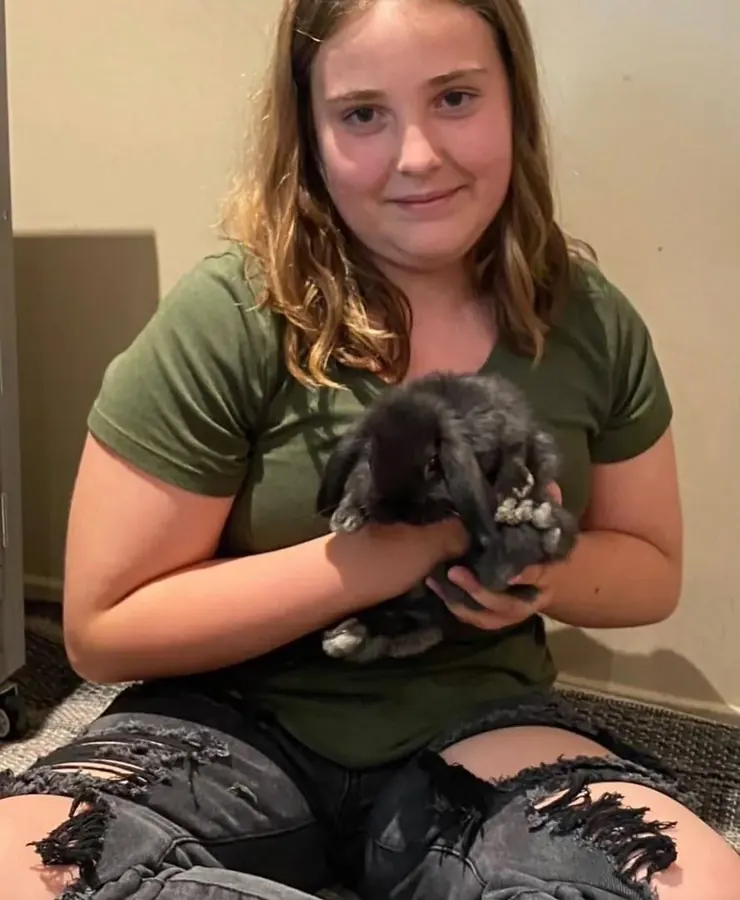
Cedar Point Rabbitry is Jenny's family rabbitry in Texas, and it started with a single pair of Holland Lops. Today we keep a small herd so every rabbit gets daily attention, and we only breed a few litters each season.
Our kits are handled from the day they are born, litter-trained before they leave, and raised around everyday household noise so they settle in quickly. We raise Holland Lops and nothing else, which lets us know our lines well: which pairings give the best ears, which does are the calmest mothers, and which colors each buck carries.
When a bunny leaves, we stay on the phone. See the Holland Lop bunnies for sale now, or read on for how we raise them.
Breeding stock is chosen for sound structure and long-term health.
Spacious pens, fresh hay daily, and a climate-controlled barn.
We ask every buyer to apply so each rabbit lands in the right home.
We check every new litter the morning it arrives, then handle each kit every day after that. Early on the check is simple. Is the nest warm and dry? Does every kit have a round, full belly? Is one smaller than its littermates? A kit that falls behind gets noticed on day two, not day ten. Holland Lop eyes open at around 10 days old, and we make sure each pair opens clean and clear.
Once the kits start leaving the nest box, handling becomes short lap sessions. We pick each one up, hold it securely against the chest, and touch its ears, feet and mouth so a nail trim or a vet exam later feels ordinary. They grow up hearing voices, the vacuum, a dishwasher and the TV. Litter training starts here too. Rabbits choose a corner on their own, so we put a pan with hay in that corner and move stray droppings into it until the habit sticks.
Every kit is graded pet, show or brood against the ARBA Holland Lop standard before we list it, and the listing tells you why. A pet grade might mean ears that do not hang quite right or a body a little longer than the standard asks for. A show grade means the kit closely matches the standard. Young Holland Lops change as they grow, so we look at each kit again as it nears 8 weeks. Kits go home at 8 weeks or older, once they are weaned and eating hay and pellets on their own.
We started with one pair and grew slowly on purpose. Each rabbit we keep for breeding is chosen for health, sound structure and a gentle temperament. In our view, temperament is the trait buyers feel every single day, so a doe with lovely ears and a nervous nature does not stay in our program.
Our rabbits live in spacious pens in a climate-controlled barn, with fresh hay every day. A small herd means only a few litters each season instead of a steady supply. It also means every rabbit is handled and looked over daily. Because we know which colors each buck carries, we can tell you honestly whether an upcoming pairing is likely to give you the tort doe or blue buck you are hoping for.
Every bunny is sold by application. You apply online, and we reply within 24 hours. We read each application for the things that matter to a rabbit: where it will live, who will handle it, what other pets share the house, and what you already know about rabbits. First-time owners are welcome. We are looking for a plan, not a long history.
If a home does not look like a good match, we say so and explain why. Once you are approved, a deposit holds your bunny and applies to its final price. Pet quality starts from $300, brood from $350 and show from $400; the Holland Lop price section explains what each grade costs and why.
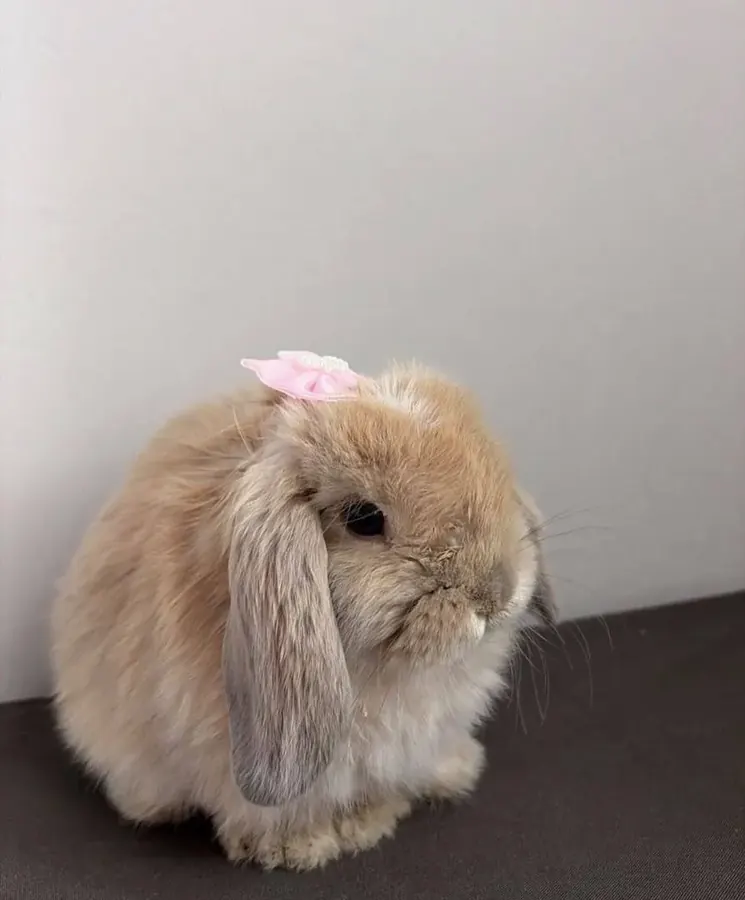
All our bunnies are healthy at the time of sale. Buyers often underrate the transition feed. A sudden switch of pellets can upset a young rabbit's gut, so mix the old food with the new over 7 to 10 days. Our Holland Lop care guide covers housing, hay and the first week at home.
You can pick up at our rabbitry in Texas by appointment, or choose flight delivery. With flight delivery, one of us flies with your bunny in the cabin to the major airport nearest you, in any US state, and hands it to you in person. We never ship rabbits as cargo. The fee is quoted per trip based on the airport and airfare, and the full steps are on our Holland Lop delivery page.
Our help does not stop at the barn door or the airport gate. Text or call us about diet, housing, litter habits or anything that worries you, for your rabbit's whole life. Questions in the first week are normal, so ask them. If your plans ever change and you can no longer keep your rabbit, we ask that you contact us first. You can see where some of our bunnies live now on our happy families page.
We are a small family Holland Lop rabbitry in Texas. Pickup is at the rabbitry by appointment only, and we share the address once your application is approved and a pickup date is set. If you live farther away, one of us can fly your bunny in the cabin to the major airport nearest you, in any US state.
No. We raise Holland Lops only. Working with a single breed lets us know our lines closely: which pairings give the best ears, which does are the calmest mothers and which colors each buck carries. That is how we can tell a waitlist family, with some confidence, whether an upcoming litter is likely to have the color they want.
Yes. Every kit is litter-trained before it goes home at 8 weeks or older. At home, set the litter pan in one corner with hay in or beside it, and keep the space small for the first week. Most training slips happen when a new bunny gets a whole room on day one and forgets which corner is the bathroom.
We grade each kit against the ARBA Holland Lop standard before listing it, and every listing gives the reason. Show quality closely matches the standard. Brood quality suits a breeding program. Pet quality has minor faults, such as ear carriage or body shape, that do not affect health or temperament. Young rabbits change, so we look again before pickup.
Fill out a short application so we can make sure it is a good match. We reply within 24 hours.