
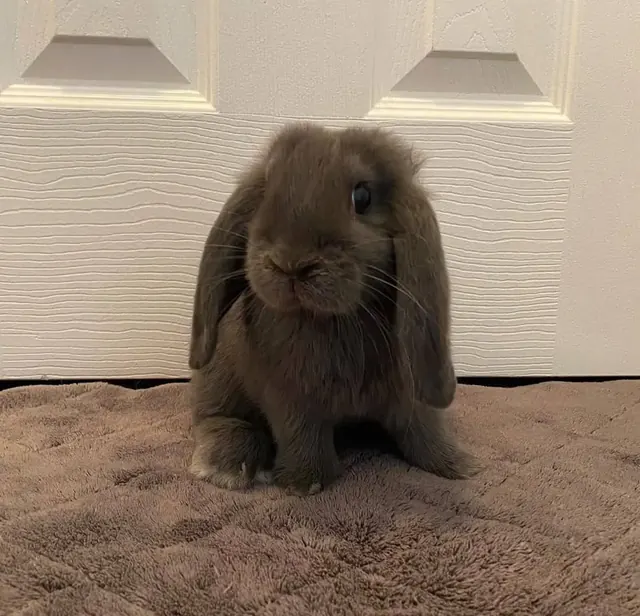
Cocoa
$325- Sex
- Buck / Male
- Age
- About 8 to 10 weeks
- Ready
- Now
- Color
- Chocolate
- Quality
- Pet
Chocolate shows up less often than black because the chocolate gene (b) is recessive: a kit needs a copy from each parent, and a black rabbit carrying one gives no outward sign of it. The surest route to a brown Holland Lop is a pairing where both parents show or carry chocolate, and the waitlist is how we match those kits to buyers.
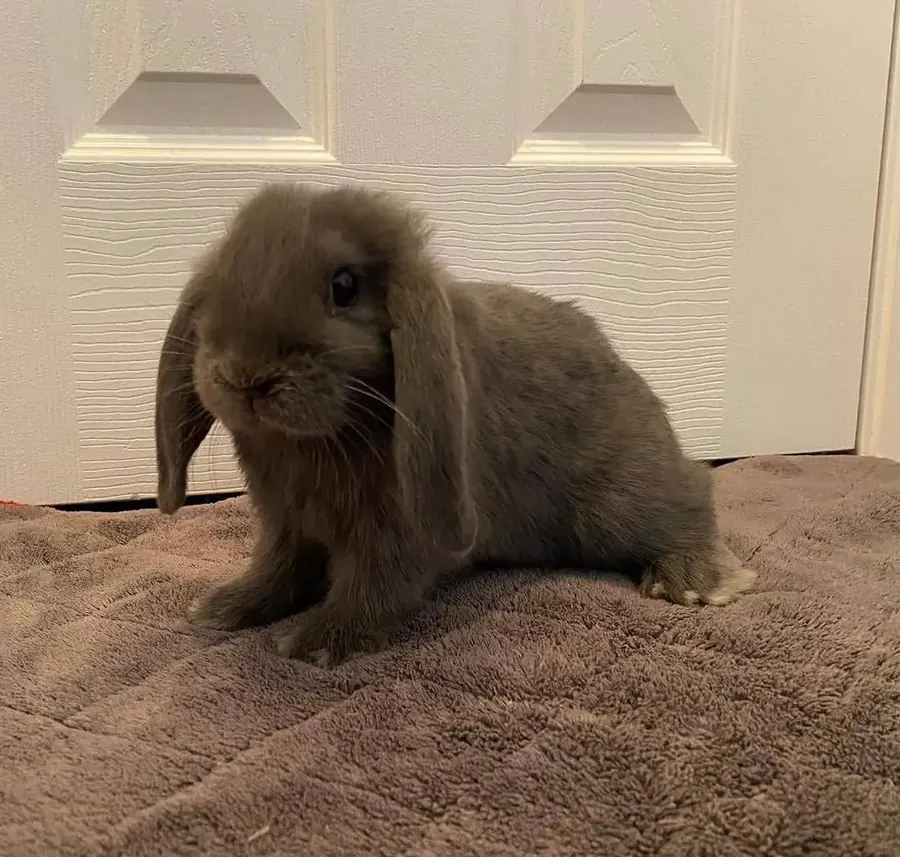
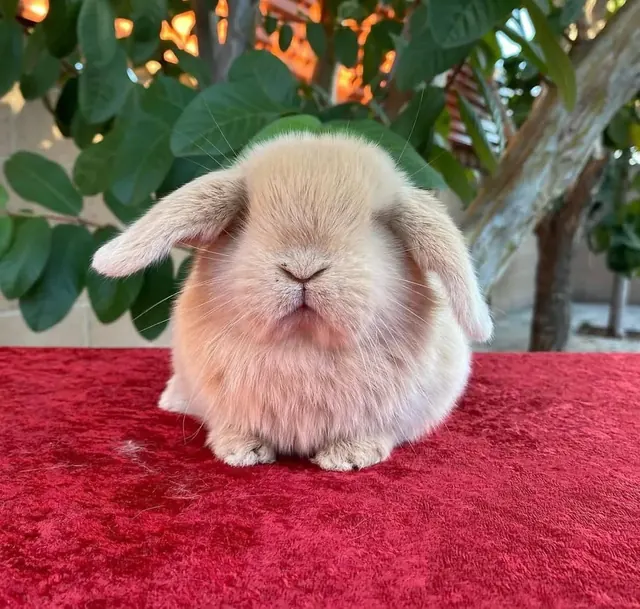
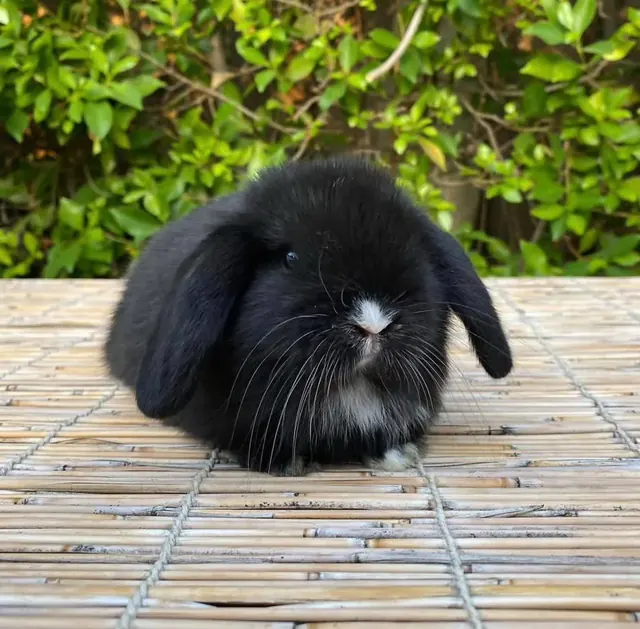
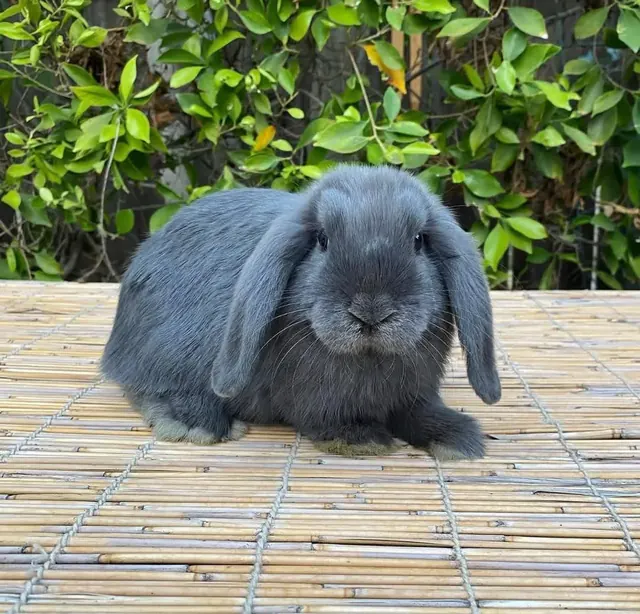
Nothing available in this color right now. Join the waitlist and we will tell you when the next litter arrives. Join the waitlist.
Chocolate kits only come from pairings like those in the table above, so when we have them we grade each at 8 weeks and list it under its full color name: self chocolate, chocolate otter, chocolate agouti or broken chocolate. Each chocolate Holland Lop for sale carries that name on its card. Pet quality chocolates are priced from $300, show quality from $400.
Chocolate Holland Lop bunnies for sale are marked by sex and grade in the grid below, so a chocolate Holland Lop buck for sale or a chocolate otter Holland Lop for sale is easy to pick out. Kits leave at 8 weeks at the earliest with a birth certificate in hand; Texas pickup and in-cabin flight delivery are both options. Working with a Holland Lop breeder directly lets you see which brown genes sit in the line. Nothing brown posted? Join the waitlist.
Brown is a color we can rarely promise for a particular month, and the reason is genetics. Below is what controls the odds, what to ask a breeder about the parents, and how to get in line for a chocolate kit without waiting longer than you need to.
The B gene has two forms in Holland Lops. B makes black pigment; b swaps it for brown. B is dominant, so a rabbit with one of each (Bb) looks completely black. Only a rabbit with two copies (bb) shows brown. That has three consequences we deal with at every pairing:
There is also a shared root with other colors. Chestnut, the most common brown looking rabbit, is black based, and so are most of the torts, blacks and chinchillas in a typical herd. Chocolate is a separate branch that a breeder has to keep on purpose.
These are the odds for each kit in a litter. "Chocolate based" means the kit has bb; what it looks like on the outside depends on its other genes, which the next section covers.
| Pairing | Chance each kit is chocolate based | What else to expect |
|---|---|---|
| Black x black, no chocolate or lilac in either pedigree | None expected | Only possible if both parents inherited a hidden b from further back. |
| Black carrier x black carrier (Bb x Bb) | 1 in 4 | About half the black kits will be carriers too. |
| Black carrier x chocolate (Bb x bb) | 1 in 2 | Every black kit from this pairing carries chocolate. |
| Black with no b x chocolate (BB x bb) | None | Every kit is black based and every kit carries chocolate. |
| Chocolate x chocolate (bb x bb) | Every kit | Self chocolate, chocolate agouti, chocolate otter, chocolate tort or lilac, depending on other genes. |
| Chocolate x lilac (bb x bb dd) | Every kit | Some kits come out lilac if the chocolate parent carries dilute. |
| Chestnut carrier x chocolate (A_ Bb x bb) | 1 in 2 | Brown kits can be chocolate agouti rather than self chocolate. |
| Black x lilac, no b or dilute in the black (BB DD x bb dd) | None | All kits look black and carry both chocolate and dilute. |
The quickest way to read a black's status: if its sire or dam was a chocolate, lilac, chocolate otter or any other bb color, it is a guaranteed carrier. If chocolate appears only further back, it might carry, and only a test litter settles it. This is the main reason we ask buyers who want brown to look at pedigrees with us rather than at the color of the parents in photos.
When a buyer says brown, we ask which brown, because three different colors fit the description and they come from different places.
Two copies of b on a self rabbit (aa bb). Even, deep brown from tip to skin, including the belly, with no rings and no eye circles. This is the rabbit most people picture, and the least predictable to produce, because it needs both b and the self gene from both parents. Chocolate VM kits, with a white snip or toes from a Vienna gene, fall here too.
The wild agouti color, black based (A_ B_). Ticked warm brown on top, white underneath, with pale rings around the eyes. Blow into the coat and you see a slate base, an orange band and black tips. Chestnuts are far more common than chocolates, so if you simply want a brown looking bunny soon, chestnut or broken chestnut is often the faster answer. Our grey Holland Lop ID key shows how a pale chestnut gets mistaken for grey.
Chocolate plus two copies of the dilute gene (bb dd). A soft dove gray with a pinkish brown cast that some buyers describe as light brown or mauve. A lilac passes b to every kit, which makes it valuable in a chocolate pairing.
A few more browns round out the family: chocolate agouti, a lighter, warmer cousin of chestnut; the chocolate otter, with a cream belly; the chocolate harlequin Holland Lop, banded in chocolate and orange, and the chocolate magpie Holland Lop, banded in chocolate and white; and broken chocolate, the brown and white Holland Lop many families ask for. Every one of those is a bb rabbit. The broken chestnut Holland Lop looks similar to a broken chocolate but is black based, like any chestnut.
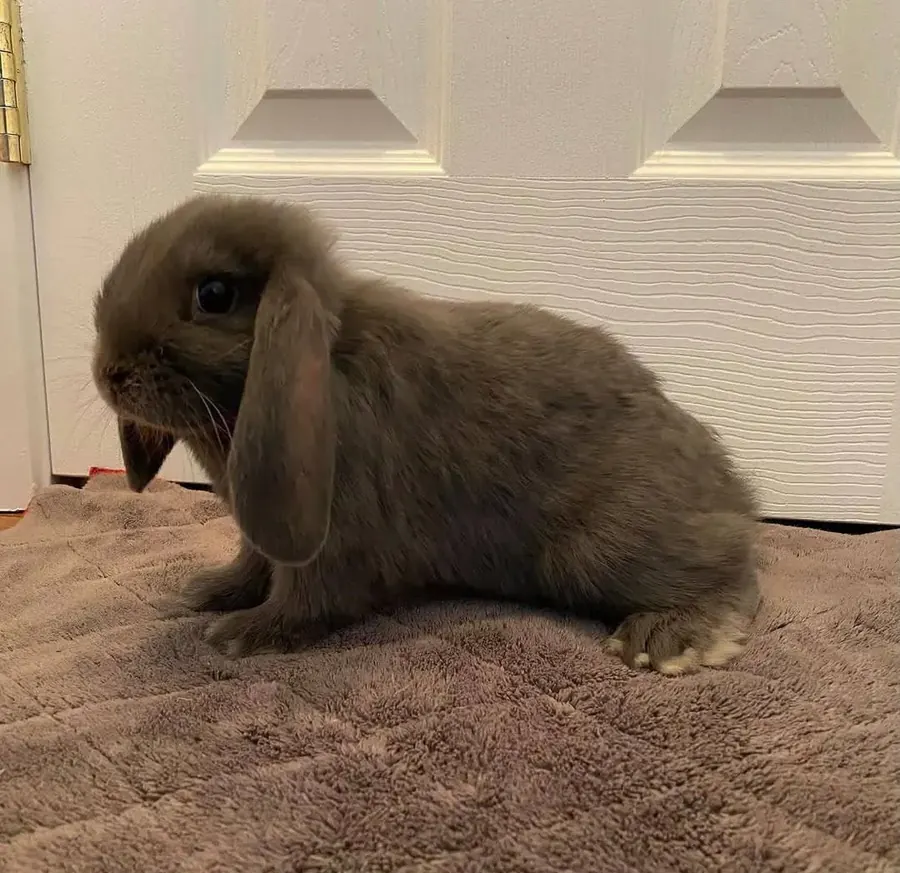
Chocolate kits announce themselves early. At birth their skin is a lighter brownish gray than a black littermate's charcoal skin, so we often know a chocolate is in the litter on day one. By 10 days, when the eyes open, the short coat is a soft warm brown; a black at the same age is clearly black. That early read is what lets us contact waitlist families weeks before the kits are old enough to leave. Baby chocolate coats can look dull until the first molt, which is normal and does not predict the adult shade.
Because chocolate depends on specific pairings, and we raise only a few litters each season, waiting for one to appear on the for-sale page is a gamble. The Holland Lop waitlist form is the better route. Here is how to use it well:
The deposit is non-refundable but can move once to a later litter, which our delivery and deposit policy explains. Any chocolate or chestnut kit we do list appears in the grid below and on the page of Holland Lop rabbits currently available.
Black is dominant over chocolate, so one black gene is enough to make a black rabbit, while chocolate needs two copies of the recessive b gene. Carriers look exactly like other blacks, so chocolate can stay hidden for generations. Kits only come out chocolate when both parents pass b, which happens in fewer pairings and in only part of each litter.
Yes, if both carry chocolate. Two black carriers produce, on average, one chocolate based kit in four, and two in four of the black kits will be carriers too. If either black parent has no chocolate gene, no kit can be chocolate. A black whose sire or dam was chocolate or lilac is a guaranteed carrier, so the pedigree is the first place to look.
A chestnut Holland Lop is the wild type agouti color. Each hair shows a slate base, an orange middle band and a black tip, which reads as a ticked warm brown with a white belly and pale rings around the eyes. It looks brown but is black based genetically, so it only carries chocolate if it inherited a hidden b gene. It belongs to the ARBA Agouti group.
A chocolate otter has a solid chocolate top with a cream or off white belly, eye circles and underside of the tail, with a warm tan border along the sides. It is the tan pattern gene on a chocolate based rabbit and is shown in the Tan Pattern group. Two chocolate otters produce only chocolate based kits, which makes the color easier to plan for than self chocolate.
A brown and white Holland Lop is a broken: the broken gene puts white patches on a chocolate, chestnut or chocolate agouti rabbit. A broken chestnut has ticked brown patches; a broken chocolate has solid brown ones. Brokens are shown in the Broken group. Because the broken gene is dominant, one broken parent can add the pattern to a chocolate pairing.
You fill in our waitlist form naming the color and sex you hope for, and we get in touch before a matching litter is listed publicly. Tell us every brown you would accept, such as self chocolate, chocolate otter, broken chocolate or chestnut, because flexibility shortens the wait. When a match is ready, you apply, we review within 24 hours, and a deposit holds the kit.
Fill out a short application so we can make sure it is a good match. We reply within 24 hours.